Contents
The Badlands Line: Baza to Baúl (1906)
Topography: The Ancient Lake
The resulting landscape is a chaotic, arid terrain of deep ravines and intricate gullies carved into multi-coloured earth. While the rail line generally followed a relatively flat corridor, engineers had to constantly navigate this deeply dissected badlands topography, demanding numerous viaducts and embankments. The route runs across what is now the Granada Geopark, offering travellers a direct view of this dramatic, eroded terrain.
The Start of the Line
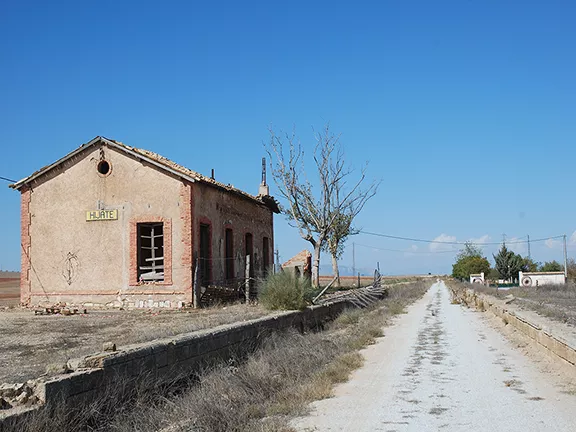
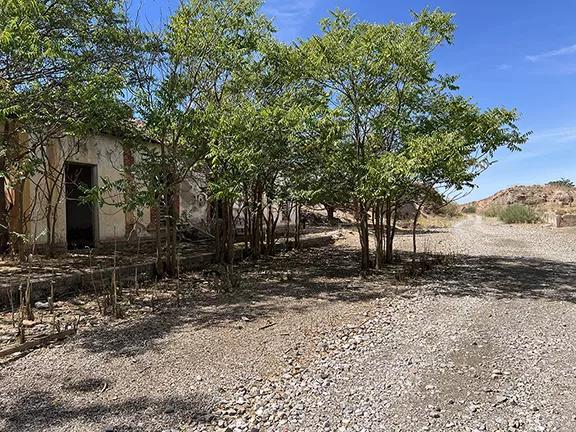
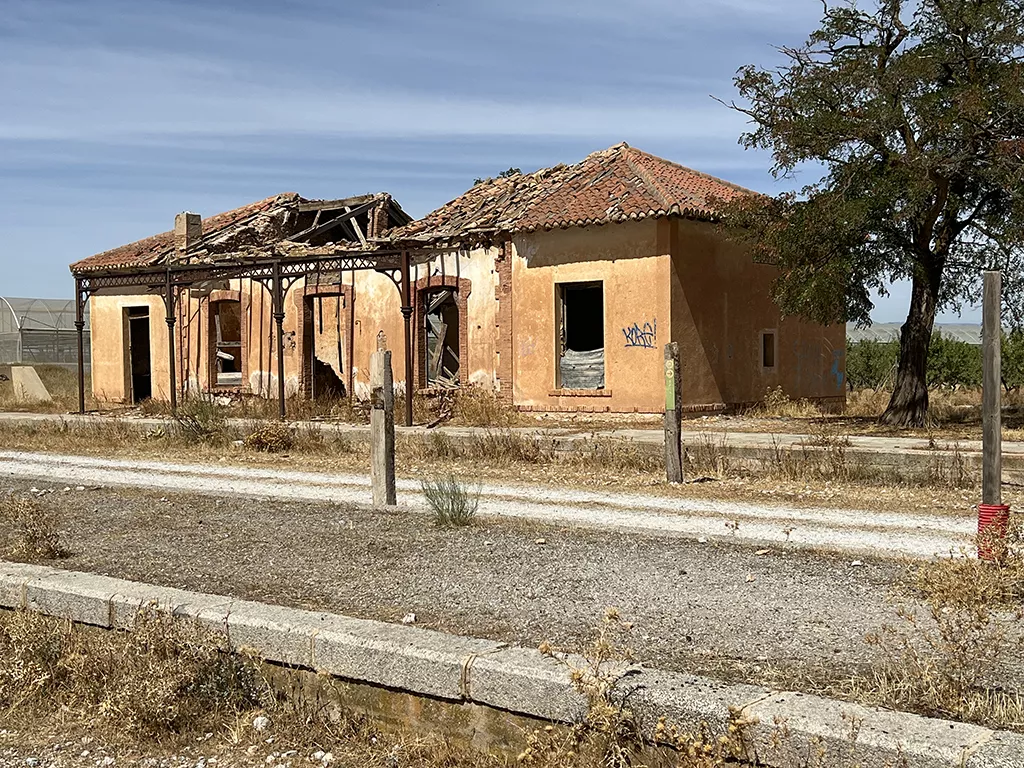
A key piece of engineering on this stretch was the Túnel de Freila, sometimes referred to locally as the "Túnel de las Loberas." Its construction, which started in 1890 under the old GSSR management, was a protracted ordeal marked by the bankruptcy of the initial contractors. The tunnel, about 280 metres in length, wasn't fully finished until mid-1904. The only intermediate stop, Zújar-Freila station, now sadly in an extreme state of disrepair, was intended to serve two local villages. However, its remote location meant that, unlike other railway towns, no community ever grew up around it, limiting its local impact to merely a loading point for esparto grass and produce.
Baúl: A Town Saved and Lost by the Rails
In 1905, the critical Gor Viaduct ahead of them suffered a catastrophic structural failure, delaying the entire line's opening. Compelled to demonstrate progress and begin generating revenue, the company was forced to make a partial opening, limiting service to the segment between Baza and Baúl. The trains started running in 1906.
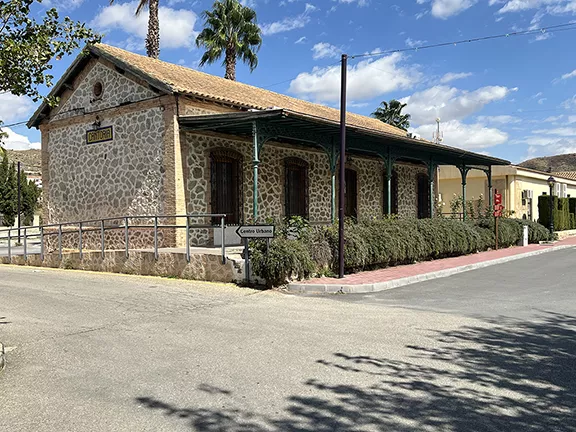
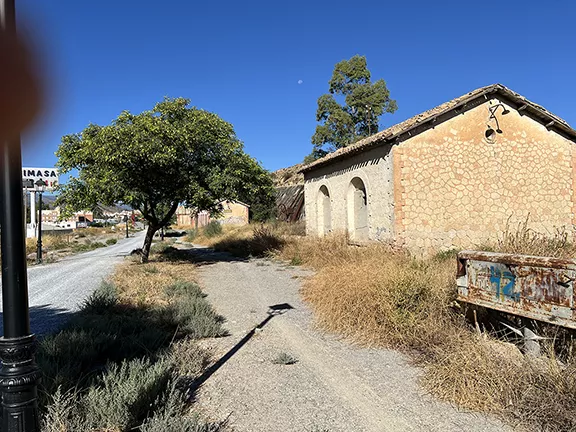
For the small village of Baúl, the railway was everything. It became a vital transit point, handling lead from local mining operations, which was often transported to the station in wheelbarrows. It also loaded sugar beet destined for the factory at Caniles.
The railway's presence supported a population of thousands in the early 20th century. Its closure in the 1980s, combined with the general depopulation of inland Spain, directly led to a dramatic economic collapse. By 2010, the population of Baúl had shrunk to less than two hundred people, a stark measure of just how essential the railway had been to its very existence.
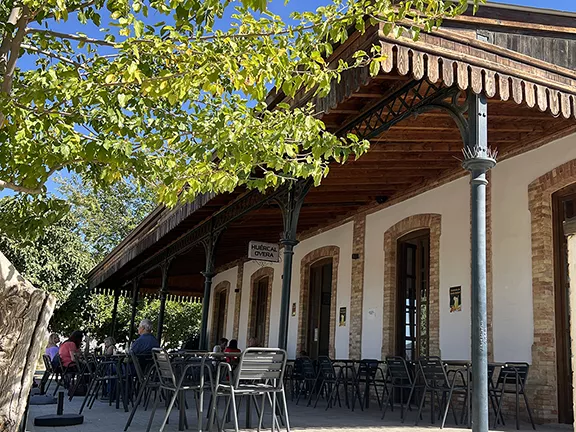
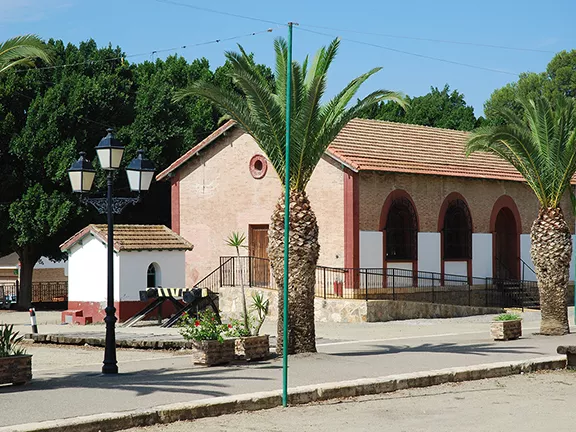
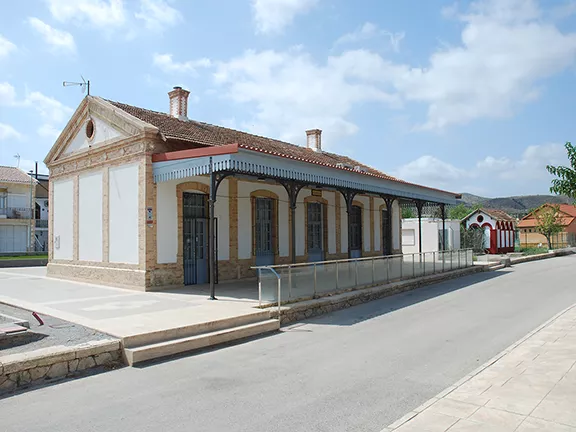
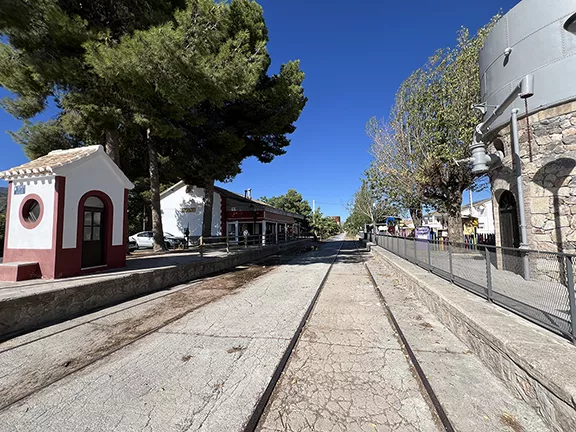
Today, the old route from Baza to Baúl forms a popular section of the Vía Verde de la Sierra de Baza, allowing walkers and cyclists to experience the unforgettable badlands landscape, passing through the enduring Túnel de Freila and past the remains of the old stations.
The next stage of the journey would take the railway from Baúl through the mountains and down to Guadix, finally connecting the GSSR's work to the national rail network.
Enjoying This Article – FREE to read on Kindle Unlimited?